

深圳市环球众一科技有限公司
专业从事电磁兼容测试、电气安全测试、
无线射频和电信终端类产品测试、化学测试认证和代理

深圳市环球众一科技有限公司
专业从事电磁兼容测试、电气安全测试、
无线射频和电信终端类产品测试、化学测试认证和代理
How to obtain CE certification for remote control car toys for the EU market? CE-RED certification
RED is the abbreviation for Radio Equipment Directive, which is a directive concerning the compliance of wireless products. Before wireless products can be legally sold in EU countries, they need to undergo testing and obtain approval according to the RED directive, and they also need to have a CE mark. Wireless products need to comply with the requirements of the RED directive RED2014/53/EU.
Scope of RED Product Certification:
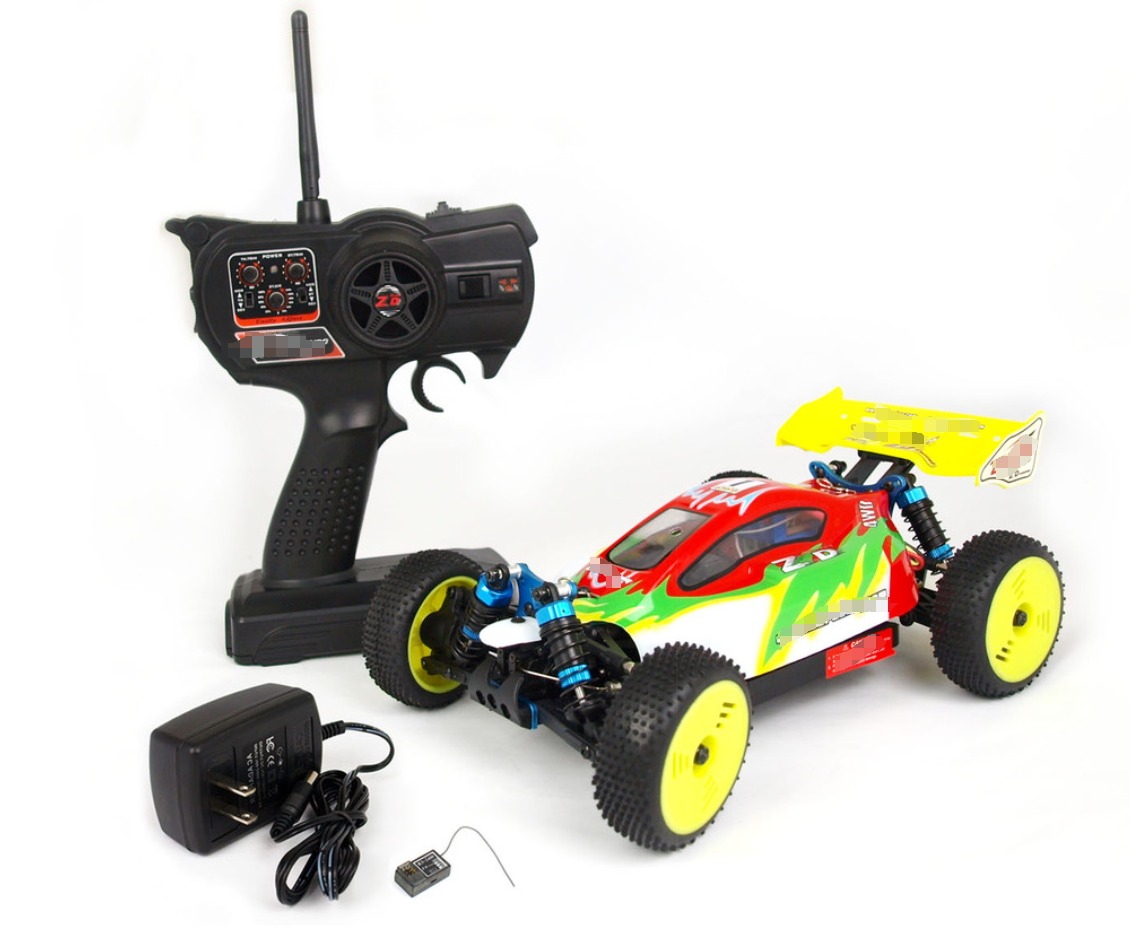
1. Short Range Device (SRD) products, such as: remote control toy cars, remote control alarm systems, remote control doorbells, remote control switches, remote control mice, keyboards, etc.
2. Radio control products (PMR), such as: wireless walkie-talkies, wireless microphones, etc.
3. Wireless telephones CTO, CT1, CT1 ...
4. ISDN (digital telephone products)
5. DECT (Enhanced Digital Cordless Telephones)
6. Mobile phone GSM, CDMA testing
7. Bluetooth products, such as: Bluetooth headsets
8. Inductive data transmission devices with operating frequency <9kHz
9. Wireless broadcast receiving devices
RED Certification Test Items:
1) Electromagnetic Compatibility Test (EMC Test);
2) Safety Test LVD (According to the new directive, this test is also required for RF products with battery input);
3) Radio communication equipment testing according to European ETSI standards (RF Test);
4) European Authorized Spectrum Notification;
5) CTR (TBR) Test;
6) Electrical safety and health protection test (SAR Assessment).
Toy Directive (EN71)
In addition to wireless directives, the EU Toy Directive EN71 must also be complied with. This is the standard regulation for children's toys to enter the EU market. By meeting the EN71 standard, technical specifications for toys entering the European market are established, thereby reducing or preventing harm to children from toys.
Testing for Hazardous Substances in Electronics and Electrical Equipment (ROHS)
The EU ROHS testing standard mainly restricts hazardous substances in electronic and electrical equipment. Specifically, it specifies the content limits for the following substances:
1. Lead (Pb) and its compounds, limit: 0.1%;
2. Mercury (Hg) and its compounds, limit: 0.1%;
3. Cadmium (Cd) and its compounds, limit: 0.01%;
4. Hexavalent chromium (CrVI) compounds, limit: 0.1%;
5. Polybrominated biphenyls (PBBs), limit: 0.1%;
6. Polybrominated diphenyl ethers (PBDEs), limit: 0.1%;
7. Di(2-ethylhexyl) phthalate (DEHP), limit: 0.1%;
8. Benzyl butyl phthalate (BBP), limit: 0.1%;
9. Dibutyl phthalate (DBP), limit: 0.1%;
10. Diisobutyl phthalate (DIBP), limit: 0.1%.
During customs clearance inspection, customs may require you to have an ROHS certificate, otherwise the product may be detained.
Six Steps for CE Marking Radio Equipment RED Certification:
1. Product Classification: Determine whether the product falls within the scope of the Radio Equipment Directive and classify the radio equipment according to established standards.
2. Economic Operator Classification: Define the roles of economic operators in the Radio Equipment Directive.
3. Conformity Procedures: Can be divided into the following parts:
a. Test products and/or conduct safety assessments according to harmonized European standards;
b. Establish procedures to ensure consistency in mass production;
c. Provide identification elements for the product and economic operators;
d. Provide user instructions and safety information;
e. Establish procedures for taking corrective actions.
4. Technical Documentation: Prepare technical documentation (including user manuals) and assess product conformity based on this documentation.
5. EU Declaration of Conformity: Draft the EU Declaration of Conformity, indicating that the radio equipment complies with CE regulations.
6. Affix the CE Mark: Once the product complies with the Radio Equipment Directive and related standards, the CE mark will be affixed.
Wireless devices that comply with the RED Directive must undergo CE certification and bear the CE mark to indicate that they meet EU regulatory requirements. CE-RED certification requires radio equipment to meet requirements related to electromagnetic compatibility, radio interference, and safety. By obtaining CE-RED certification, products can be legally sold and operated in the European market. The EU electrical compliance statement CE-RED certificate is a key safety certification system implemented by the European Community for radio equipment.


