

深圳市环球众一科技有限公司
专业从事电磁兼容测试、电气安全测试、
无线射频和电信终端类产品测试、化学测试认证和代理

深圳市环球众一科技有限公司
专业从事电磁兼容测试、电气安全测试、
无线射频和电信终端类产品测试、化学测试认证和代理
Projector Export to the United States Compliance Export Certification
Projectors exported to the United States must meet multiple mandatory and voluntary certification standards, mainly focusing on four dimensions: electrical safety, electromagnetic compatibility, energy efficiency, and wireless functions (if applicable). In some cases, they must also comply with environmental or product labeling requirements. The following is a breakdown of the latest certification standards and requirements for 2025:
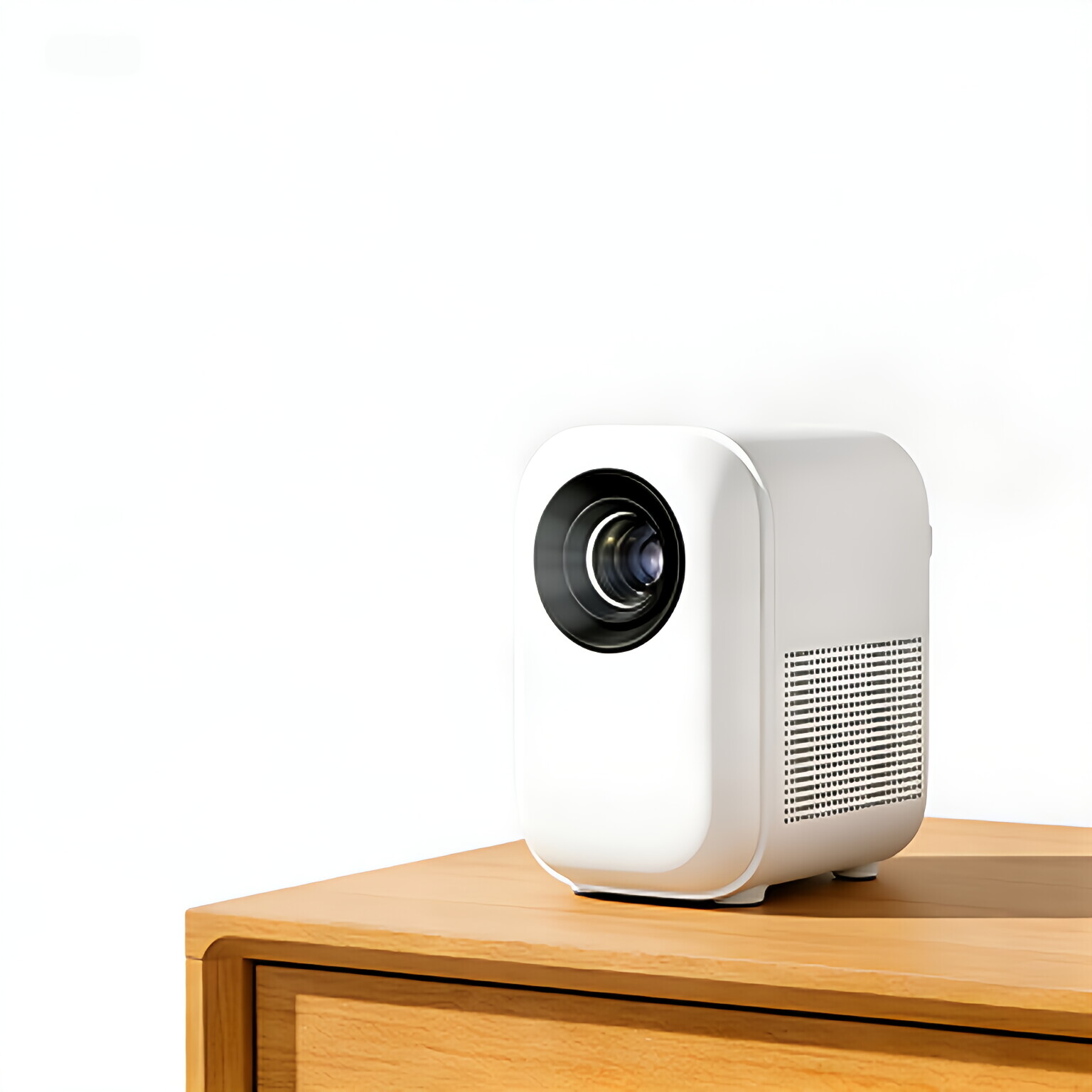
I. Mandatory Core Certification: The 'Threshold' for Entering the U.S. Market
1. Electrical Safety Certification: UL 62368-1:2025 (Fourth Edition)
Scope of Application:
All electrically powered projectors (including power adapters, internal circuits, etc.). It is a mandatory safety standard required by U.S. federal regulations (CFR Title 16), aimed at preventing risks such as electric shock, fire, and mechanical injury.
Key Updates in 2025:
Disabling traditional standard components: Components certified according to the old standards IEC 60950-1 (IT equipment) or IEC 60065 (audio-video equipment) are no longer accepted; a comprehensive review of the BOM list is required.
Button battery safety upgrade: The new UL 4200A standard requirements have been added, ensuring the battery compartment design prevents accidental access by children.
Liquid cooling system specifications: Modular liquid cooling systems with a capacity exceeding 1 liter must meet new requirements, such as leak detection and fluid compatibility.
Lithium battery segmented testing: Rechargeable lithium batteries must be tested according to segmented parameters, and fixed lithium battery systems (such as large energy storage installations) are included in the mandatory scope.
Test contents:
Electrical insulation performance, abnormal operation (short circuit/overload), mechanical strength, fire-resistant enclosure opening sizes, etc.
Projectors with lithium batteries require additional testing of charge/discharge protection mechanisms and thermal runaway protection.
2. Electromagnetic Compatibility and Wireless Certification: FCC Certification
Applicable Scope:
All electronic devices, divided into two categories:
RF radio frequency performance (transmit power, frequency band compliance).
SAR testing (devices used close to the human body, such as portable projectors).
FCC SDoC (Supplier's Declaration of Conformity): applicable to projectors without wireless functionality, requiring FCC testing (conducted/radiated interference).
FCC ID Certification: projectors with wireless modules (Wi-Fi, Bluetooth) must pass more stringent third-party testing, including:
New Requirements:
Wi-Fi 6E devices must support Dynamic Frequency Selection (DFS) in the 6GHz band, and 5G devices must pass TLS 1.3 encryption protocol review.
2025 New Regulations:
Laboratory Restrictions: Laboratories associated with China's military-industrial system are prohibited from participating in testing. It is recommended to choose FCC-recognized laboratories in Southeast Asia or the United States.
Labels and Documents: The FCC ID must be clearly marked on the product (height ≥5mm), and the test report must be retained for 10 years for reference.
Certification Cycle: FCC SDoC takes about 5-7 working days, and FCC ID takes 2-3 weeks.
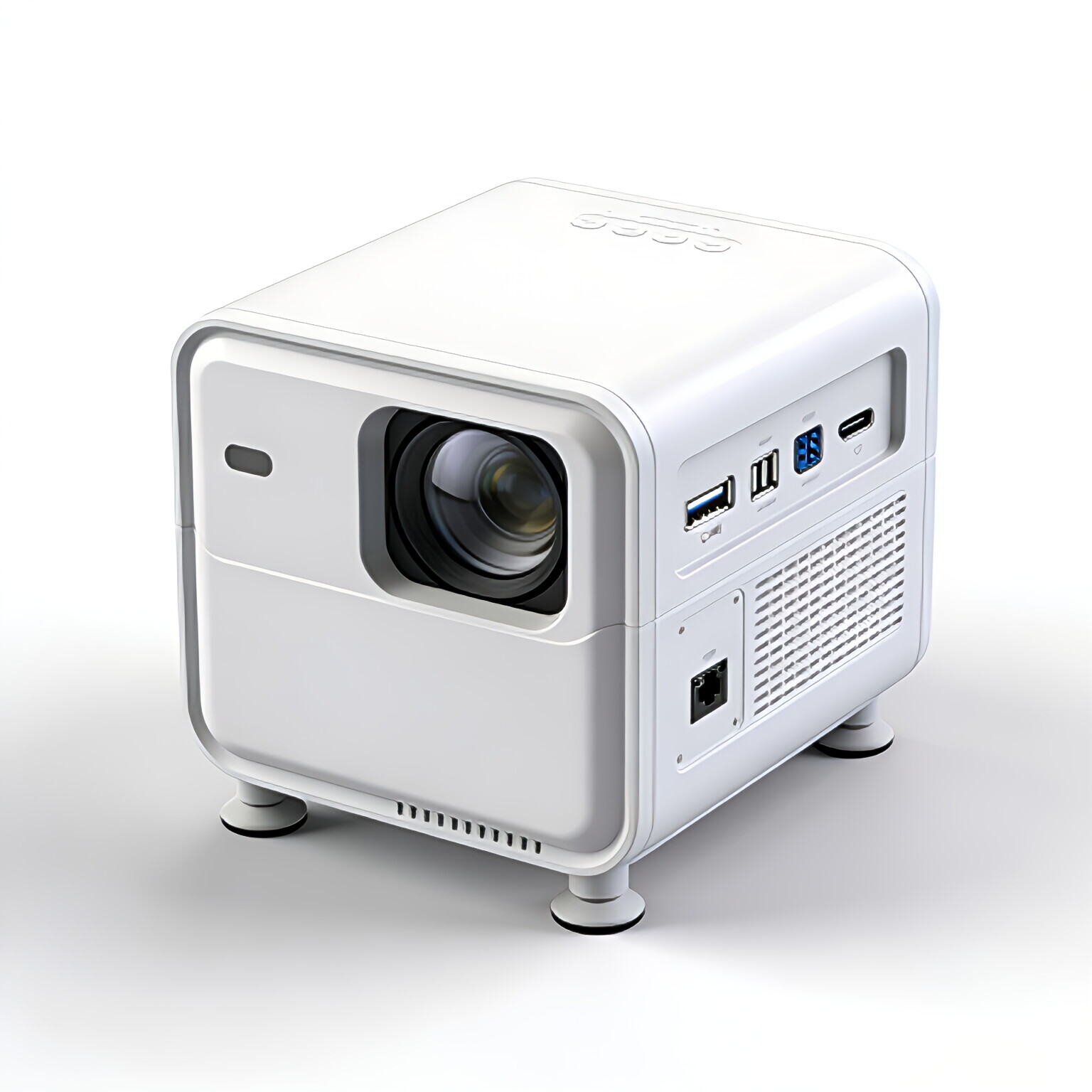
II. Energy Efficiency Certification: Dual Federal and State Requirements
1. Federal Level: DOE Energy Efficiency Certification
Scope:
All projectors must comply with the Energy Policy and Conservation Act (EPCA) and 10 CFR Part 430 regulations.
Testing Items:
Key indicators such as light output efficiency, standby power consumption, and off mode power consumption.
New Requirements in 2025:
Battery charging systems (such as projectors with built-in lithium batteries) must meet the Minimum Energy Performance Standards (MEPS).
Certification Process:
Submit test report to CCMS system for registration → Obtain DOE registration number → Label with energy efficiency rating (some products require an Energy Guide label).
Compliance Risks:
Non-certified products may be detained by customs, and platforms like Amazon will be forced to delist them.
2. California Level: CEC Energy Efficiency Certification
Scope of Application:
Only projectors sold in California are covered, with stricter requirements than DOE.
Test Items:
Light output efficiency, standby power consumption (≤0.5W), brightness uniformity, etc.
New Requirements for 2025:
Smart home devices must support energy management protocols (e.g., Matter).
Certification Process:
Submit application to a CEC-recognized laboratory → After passing the test, register on the CEC official website → Certification must be updated every two years.
Notes:
Both DOE and CEC requirements must be met, otherwise the product cannot enter the California market.
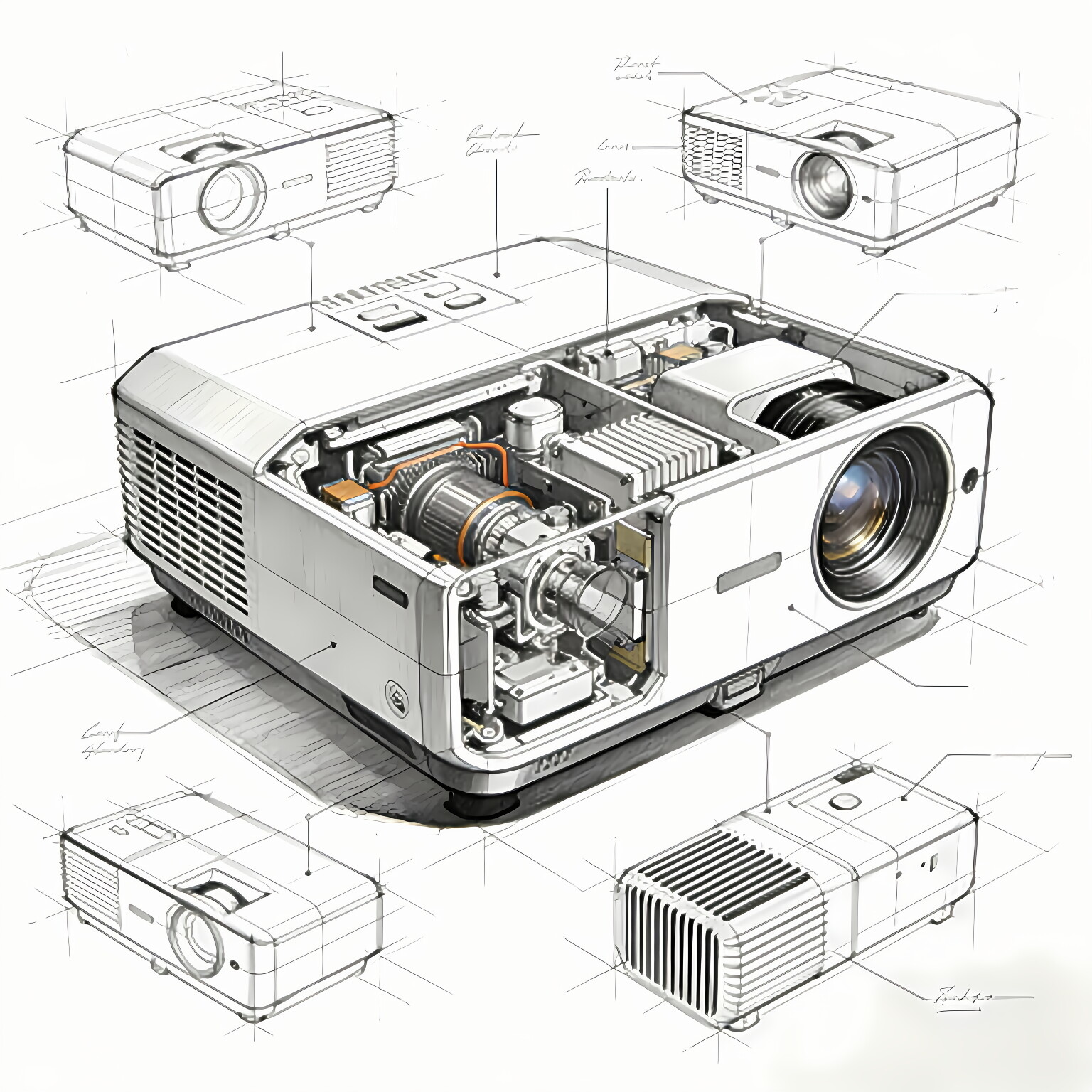
III. Voluntary Certification: Enhancing Market Competitiveness
1. ENERGY STAR Certification
Scope of Application:
Voluntary application, suitable for projectors seeking eco-friendly labeling.
2025 Standard (Version 8.0):
Light output efficiency increased by 15%, standby power ≤0.3W.
Test data must be submitted through the 'Product Registration Form' on the ENERGY STAR official website.
Advantages:
Eligible for U.S. government subsidies, and receives priority display in Amazon search results.
2. Environmental Certification: California Proposition 65 (Prop 65)
Scope of Application:
If a product contains harmful substances such as lead or phthalates, a warning label must be added on the packaging or instruction manual.
Testing Content:
Heavy metals (lead, cadmium), chemicals (formaldehyde, polycyclic aromatic hydrocarbons), etc.
Precautions:
Failure to label may result in class-action lawsuits from consumers.
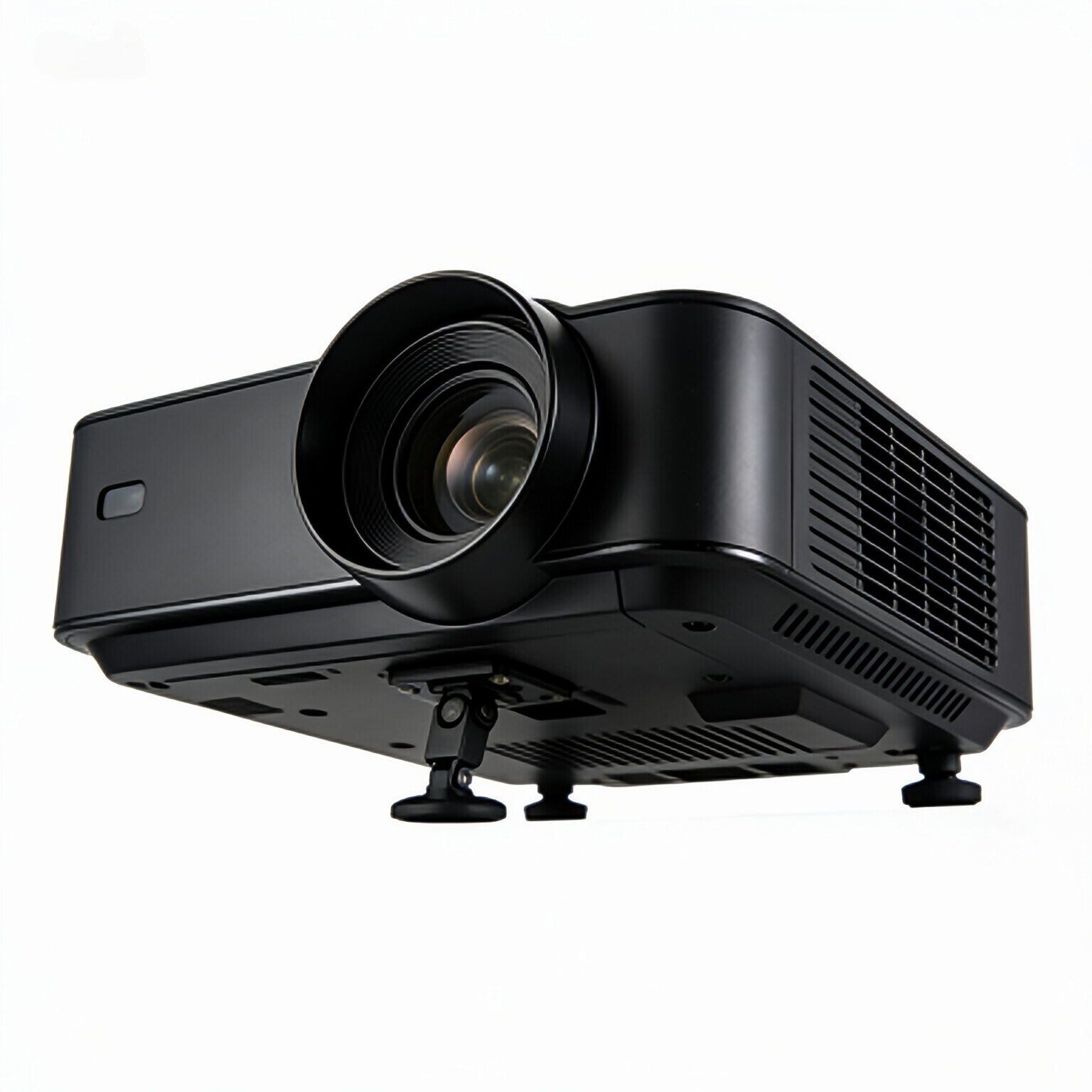
IV. Other Key Requirements
1. FDA Radiation Safety Certification
Scope of Application: Projectors containing laser sources must comply with 21 CFR Part 1040 standards.
Test Content: Laser classification (Class 1/2/3R), beam divergence, safety interlock devices.
Certification Process: Submit the test report to the FDA, no factory inspection required.


